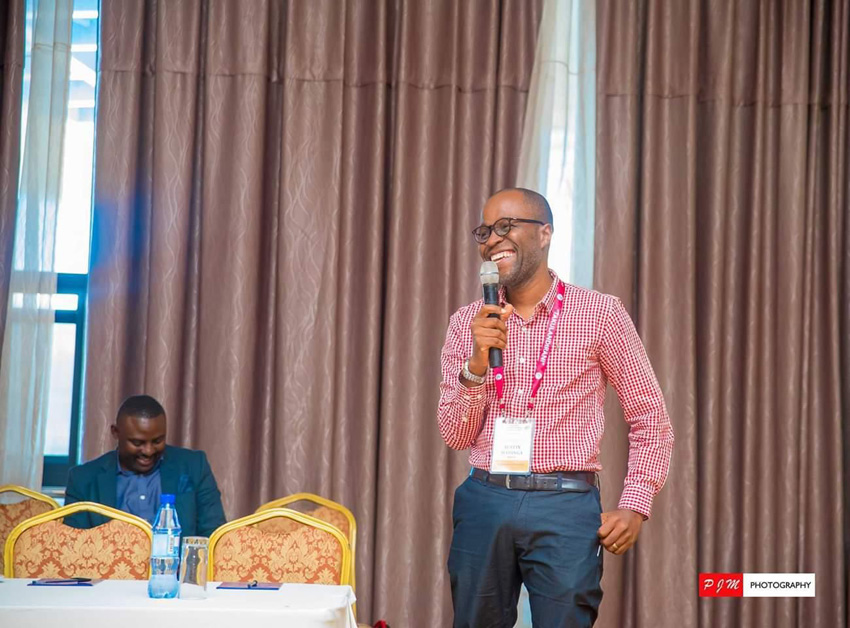
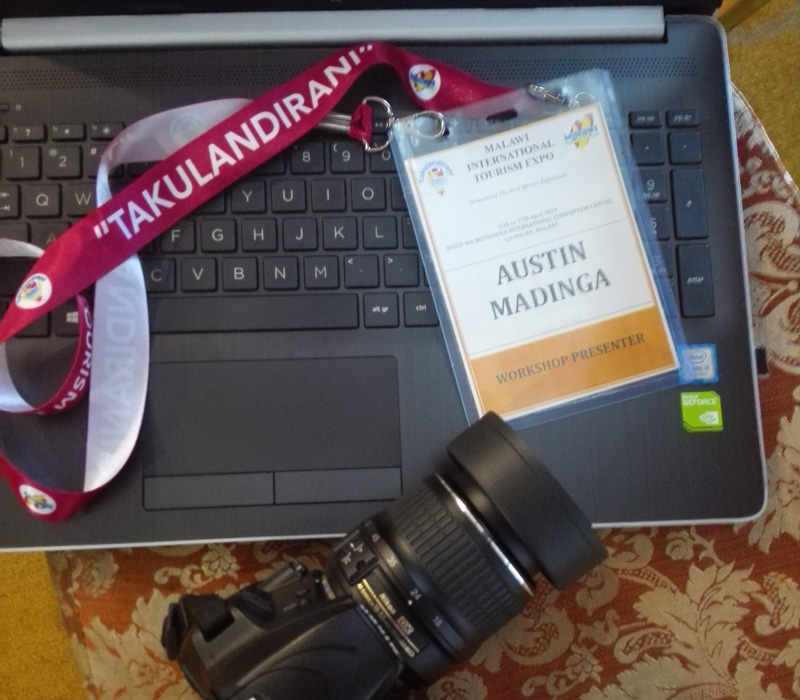
A few years ago, at the Takulandirani Malawi International Tourism Expo, I gave a talk on Property Access to Digital Platforms – Why Malawi tourism properties need to own their digital platforms, not just ‘rent’ them. The talk centred on the importance of owning platforms, specifically websites, blogs and email marketing, as well as the importance of user-generated content that can be used to promote tourism services.
Since then, the core idea has only gotten more relevant. Properties and other tourism players that will win in the tourism space are the ones that own their platforms.
Here’s the distinction that matters. A Facebook page, an Instagram account, a listing on a booking site – these are all rented space. You’re building an audience on someone else’s land, under rules someone else sets, that can change on a whim. A website, a blog, and an email list are different. Nobody can remove you from your own domain. Nobody can change the algorithm on your mailing list. That’s owned media, and it’s the only kind you can build a long-term business on.
Guests trust other guests
The other half of the equation is about who does the persuading. A polished advert from a lodge saying “we’re beautiful and welcoming” competes with every other lodge saying the same thing. A guest’s own photo of a sunrise over Lake Malawi, or a travel blogger’s honest account of three days at your property, carries weight an advert never will. Because it isn’t trying to sell anything, it’s just true!
This is why user-generated content and influencer or blogger partnerships matter so much for tourism. The product is an experience, and experiences are trusted far more than they’re trusted advertised. The property’s job isn’t to shout the loudest. It is to be worth talking about. And then to make that conversation easy to find and easy to join.
@austinmadinga talking about “Property Access to the Digital Platform” #MITE2019 #visitmalawi #TakulandiraniExpo2019 pic.twitter.com/3E5xVNgNr9
— Dan Bywell (@dan_bywell) April 25, 2019
A starting checklist
If you run a tourism property or business, and none of this exists yet, you don’t need all of it at once. Start here:
1. Start working on getting a website live that your guests can book directly from.
2. Set up a simple way to collect guest emails. This can be on your website or at the check-in/check-out desk.
3. Ask happy guests if you can share their photos and words. And then actually publish them.
4. Write frequent blog posts (one a month) about something true and specific, like a guide’s perspective, a guest story or a conservation effort you are advancing.
5. Point every social post back to your website, not the other way around.
None of this replaces social media or advertising, as they’re still useful for reach. But they should feed traffic toward something you own. The properties that get this right now will be the ones still standing when the next platform’s rules change.
What “owning your platform” actually looks like
For a lodge, camp, or tour operator, that means three pieces working together:
Website as the hub. Every other channel – Instagram, TripAdvisor, a flyer, word of mouth – should lead back here. It’s where a curious visitor becomes a booking, and where your story, your rates, and your availability live under your control. Formatted in the way you wish to present your services.
Blog for story and search. Guest stories, conservation updates, practical travel guides for your region. This is what search engines reward and what turns a one-time visitor into someone who reads you for months before they ever book. It’s also where you can showcase the user-generated content guests are already creating about you.
Email as the retention layer. Social reach is rented and shrinking. An email list you’ve built is yours permanently. It’s the difference between hoping a past guest sees your next post and knowing they’ll see your next offer in their mailbox.
View this post on Instagram