What if the secret to a thriving tourism sector isn’t just found in our landscapes, but in the hands and hobbies of our young people?
For too long, we have viewed hobbies as mere distractions and farming as a last resort. But as Malawi’s tourism and creative industries begin to converge, a new map of opportunity for the youth is appearing. We are moving toward an era where a teenager’s passion for photography or sewing and a young adult’s love of gardening or cooking are no longer just nice-to-have skills. They are the essential building blocks of a world-class tourism product.

Turning hobbies into tourism and creative assets
We often tell our newly graduated children to find a job. What if we encouraged them to find their niche? The Cultural and Creative Industries (CCI) are the heartbeat of modern travel. Tourists today aren’t just looking for a bed. They are looking for an experience.
This is where the power of a hobby comes in. A young person who spends their time perfecting digital illustration, wood carving, or even gourmet cooking is actually developing a micro-enterprise.
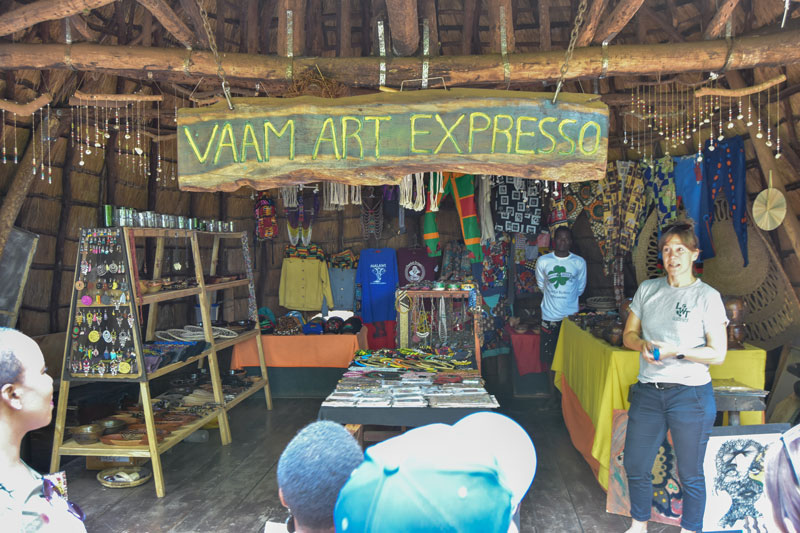
By encouraging our youth to monetise their creative passions, we are cultivating the storytellers who will market our lodges, the artisans who will fill our gift shops, and the chefs who will define Malawian fusion cuisine.
Skilling the next generation
At a young age, we should introduce our teenagers to the potential of tourism. As a country, we could design special programmes where students are taught the basics of customer service, digital marketing, and even tour guiding in our national parks while they are on school breaks. These are the lifeblood of the service industry. When we skill our youth early, we are giving them the confidence to step into the tourism sector as innovators who understand the value of excellence and professional service, not just as employees.
We can learn from others in the region. Zambia recently introduced tourism as a secondary school subject to address gaps in hospitality skills. The initiative also aims to promote Zambia’s cultural heritage.

Agriculture experiences: the new face of farming
One of the most exciting shifts we’ve seen is the changing face of agriculture. The agri-entrepreneur is rapidly replacing the old narrative of the struggling farmer. Urban farming, in particular, has begun to attract the energy of the youth. This proves that you don’t need hectares of land in rural areas to make an impact.
In the context of tourism, this is a game-changer. Small-scale urban farms in Lilongwe or Nkhata Bay can become the suppliers of speciality herbs and organic vegetables for city hotels and lakeside resorts. Beyond the produce, there is also the experience. Modern travellers are drawn to agri-tourism, where they can help in farming activities, participate in a harvest and have a meal prepared for them. The urban farm is a potential tourist destination.

A future built on creativity
When you combine creative hobbies, intentional skill-building, and innovative agriculture, you get a youth population that is uniquely positioned to drive Malawi’s growth.
This is the Experience Economy in action. It’s a sector that creates reasons for tourists to arrive, rather than just waiting for them to visit.
Stepping into the gap
Tourism has the potential to be both impactful and profitable whenever a young person turns a hobby into a service, or a subject in school into a learning opportunity, or a backyard plot into a source of high-quality food. We need to stop seeing tourism as something that only big business does.
The tools are already in the hands of the youth. Whether it’s a camera (or phone), a keyboard, a packet of seeds, or kitchen utensils, the future of Malawian tourism can be grown in our homes and backyards. Let us nurture and encourage these youthful passions.