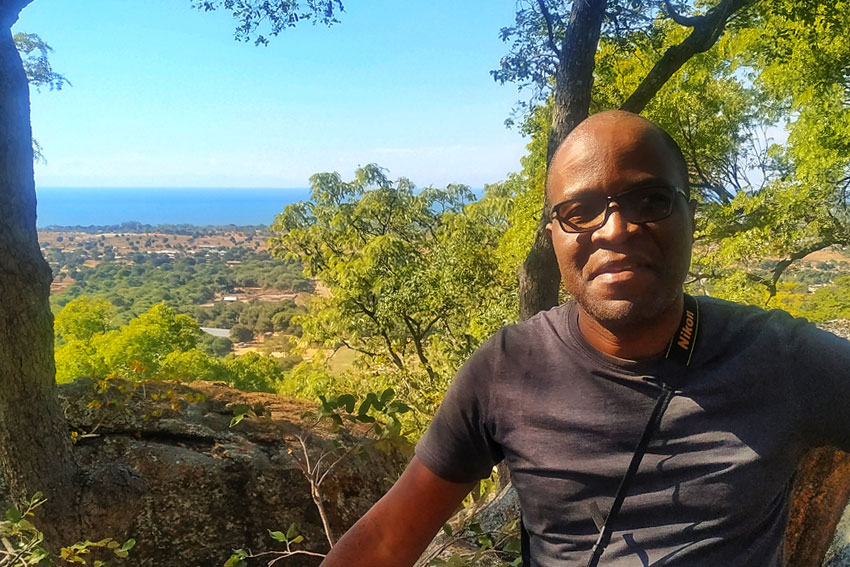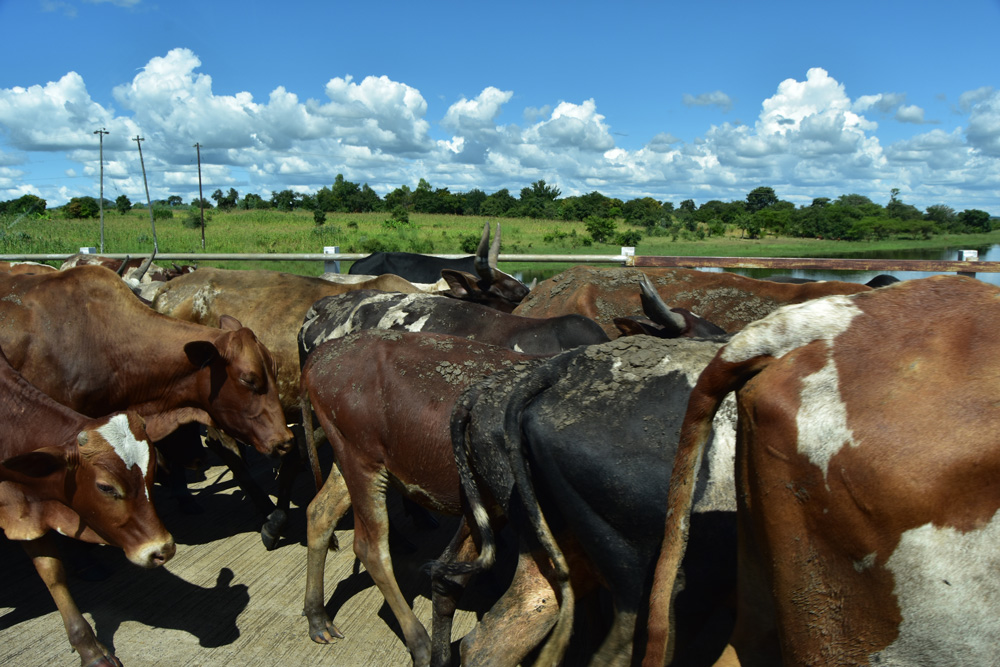
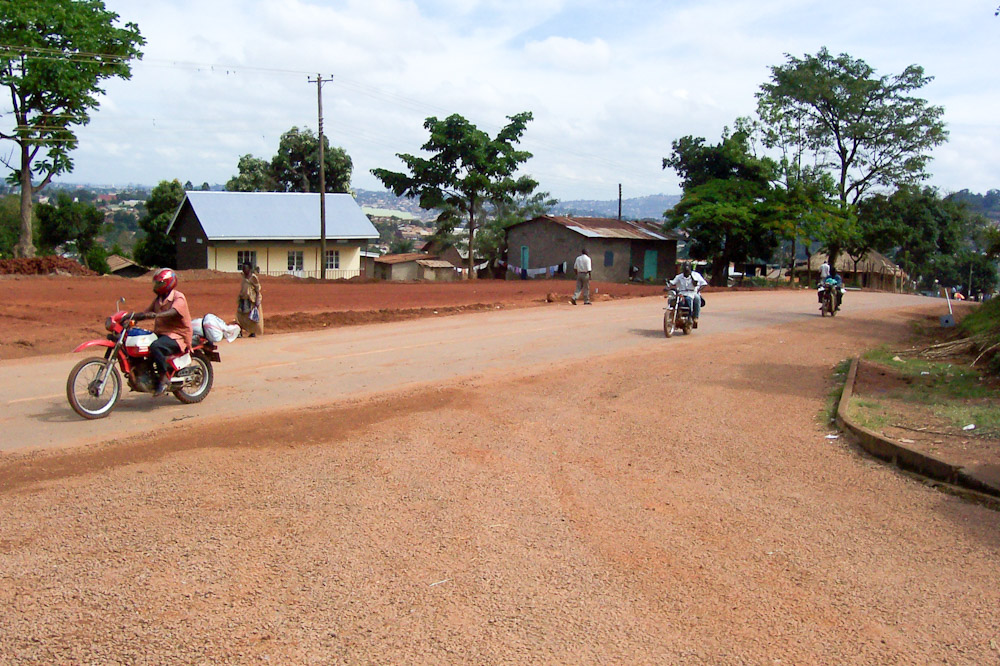
Sometime last week, I found myself in Kampala, Uganda, with members of TVE’s African Partner Network. A group of us from Southern Africa and two from East Africa arrived after 8 pm, and I expected the hour’s drive from Entebbe Airport to be quiet at that time of night. Gosh, was I wrong. Drivers overtook with lights on full beam even with cars coming the other way, boda-bodas wove through gaps on either side, and no one followed the rules of roundabouts.
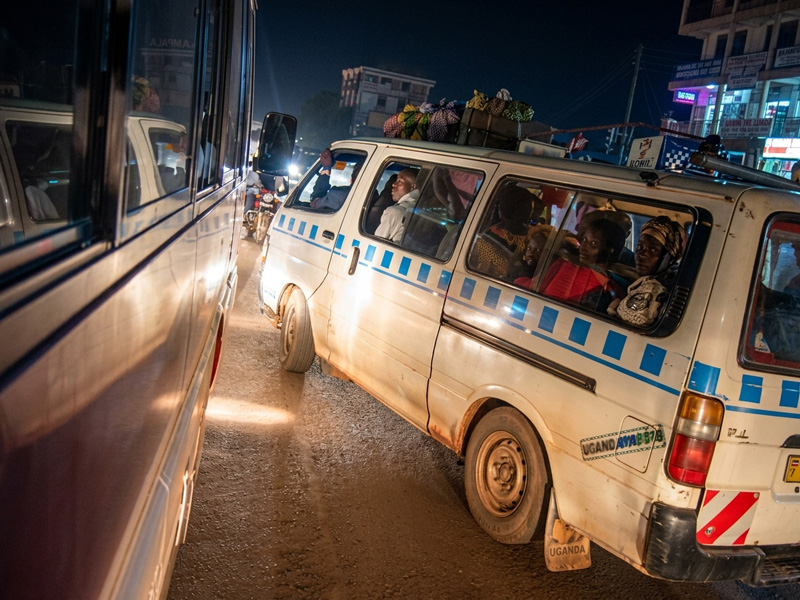
One colleague from Lesotho let out little screams with every near miss. While our Kenyan colleague insisted Nairobi was worse, the Tanzanian barely blinked. Our Mozambican colleague summed it up best: “I think I should appreciate Mozambican driving more.” I felt the same about Malawian drivers by the time we arrived.
But I digress. A photostory of my visit to Kampala and Jinja in Uganda.
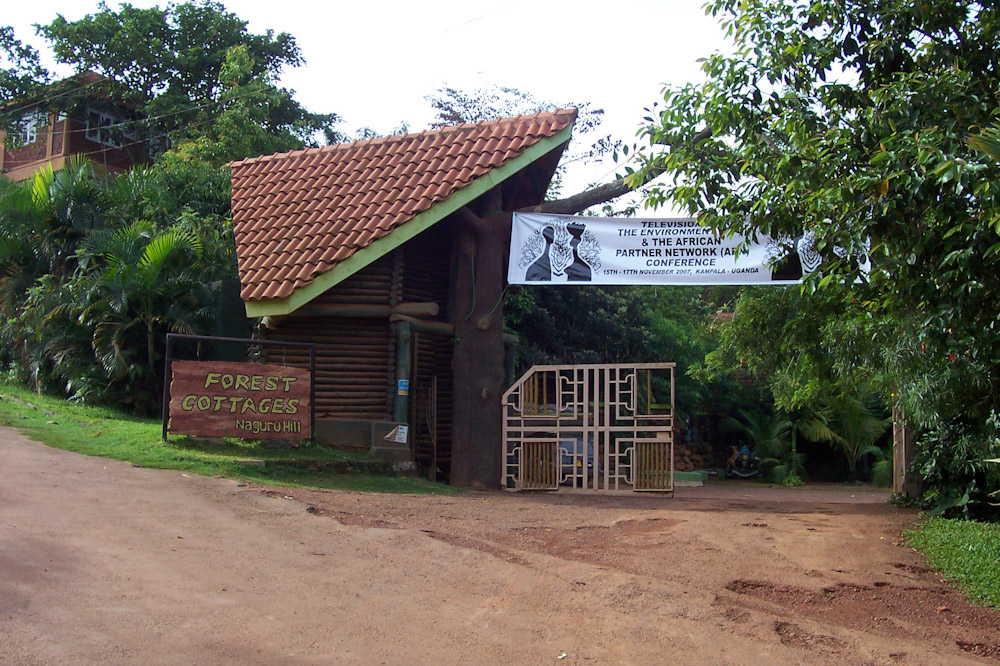
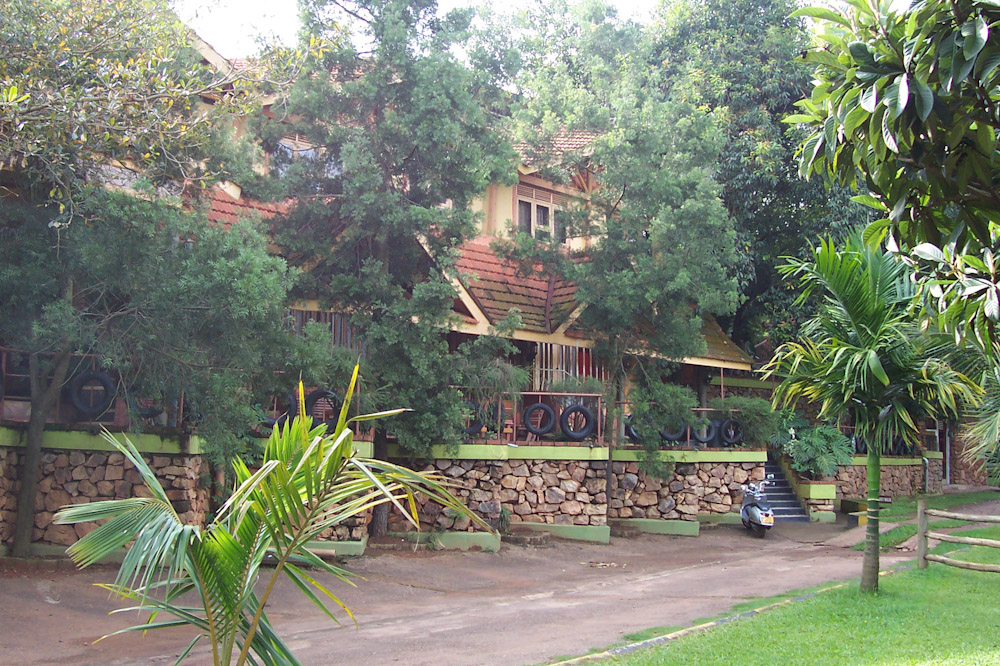
Our base in Uganda was the Forest Cottages in Naguru Hill, where we held our conference.
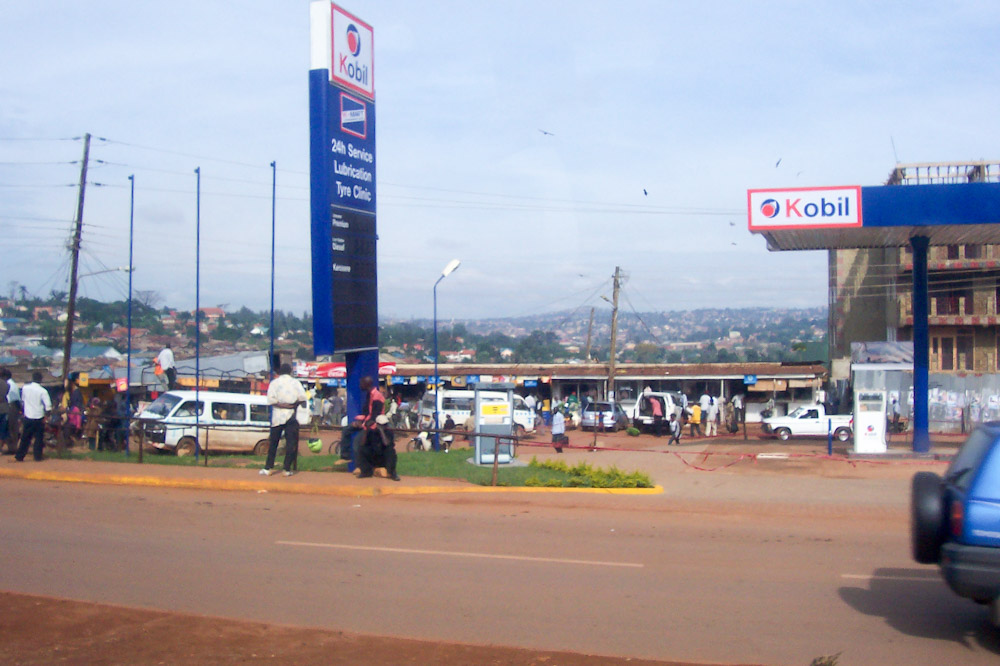
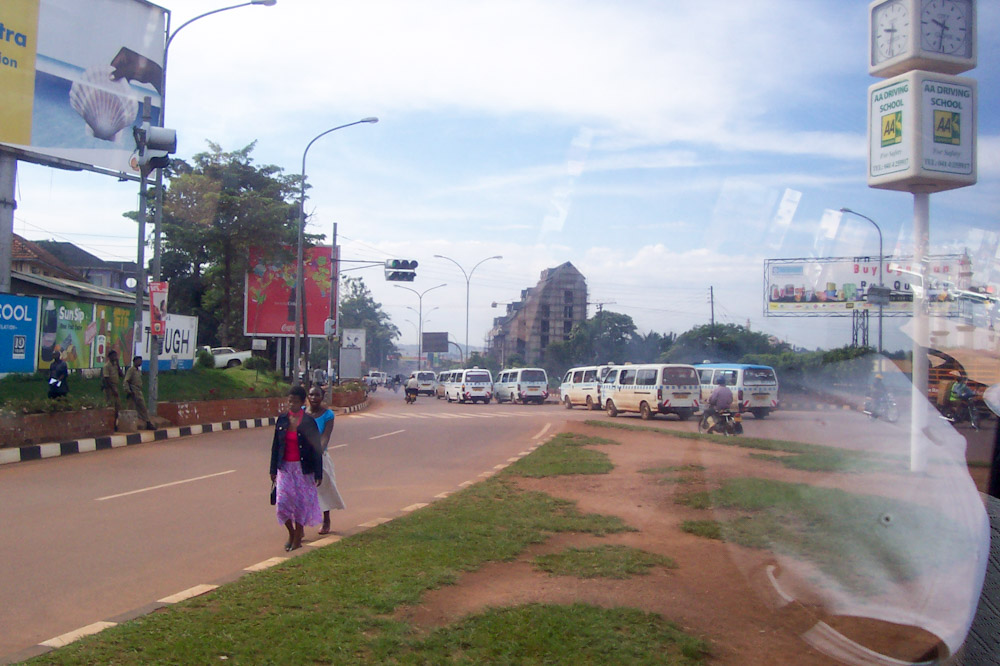
On the second day, we took a full-day excursion around Kampala and Jinja.
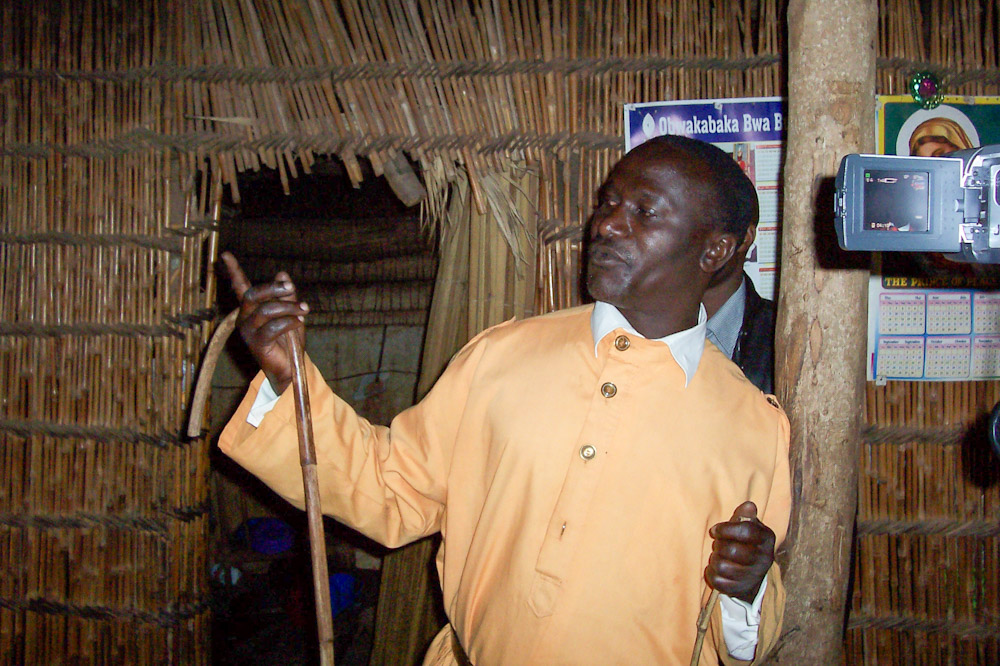
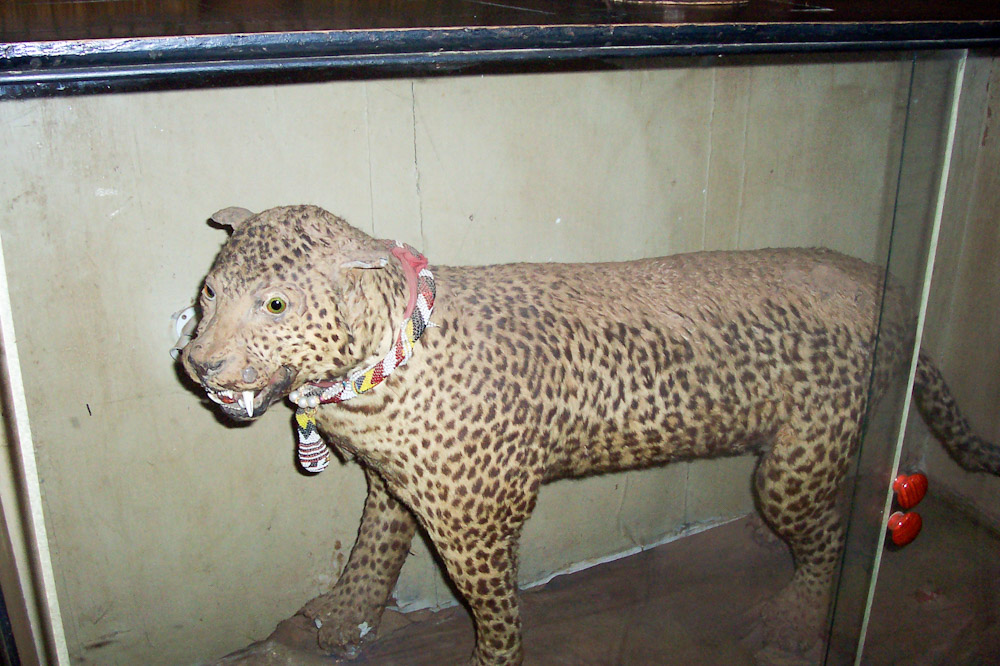
Our first stop of the day was on Mengo Hill at the palace of Kabaka Mwanga II of Buganda, who was the king of the Buganda Kingdom. He ruled from 1884 to 1888 and from 1889 to 1897, and was known for fighting against British colonial rule and foreign religions. A guide was on hand to give a history of the king and his palace.
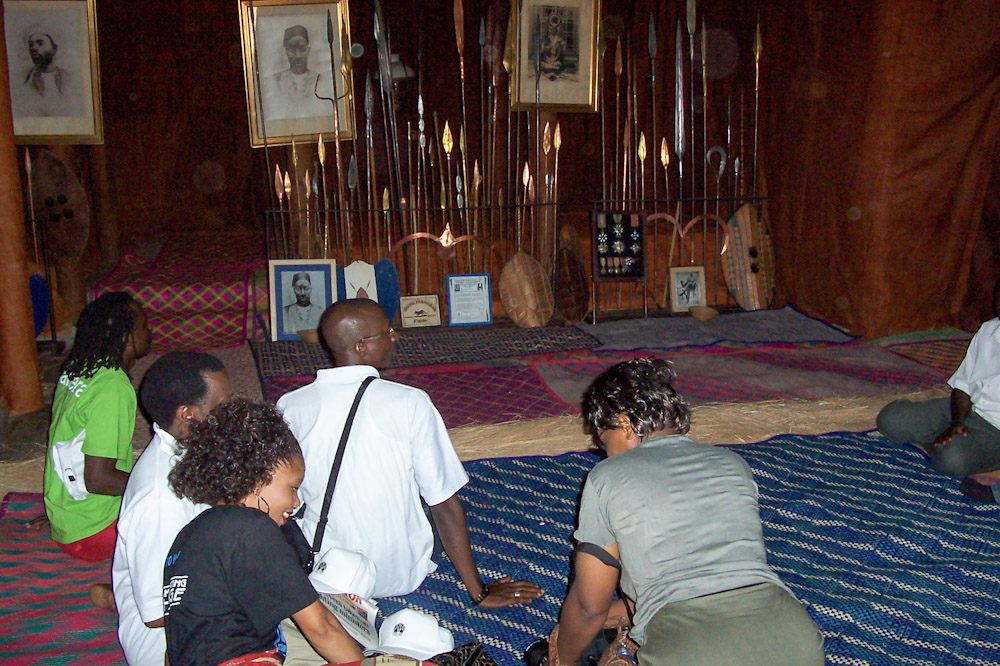
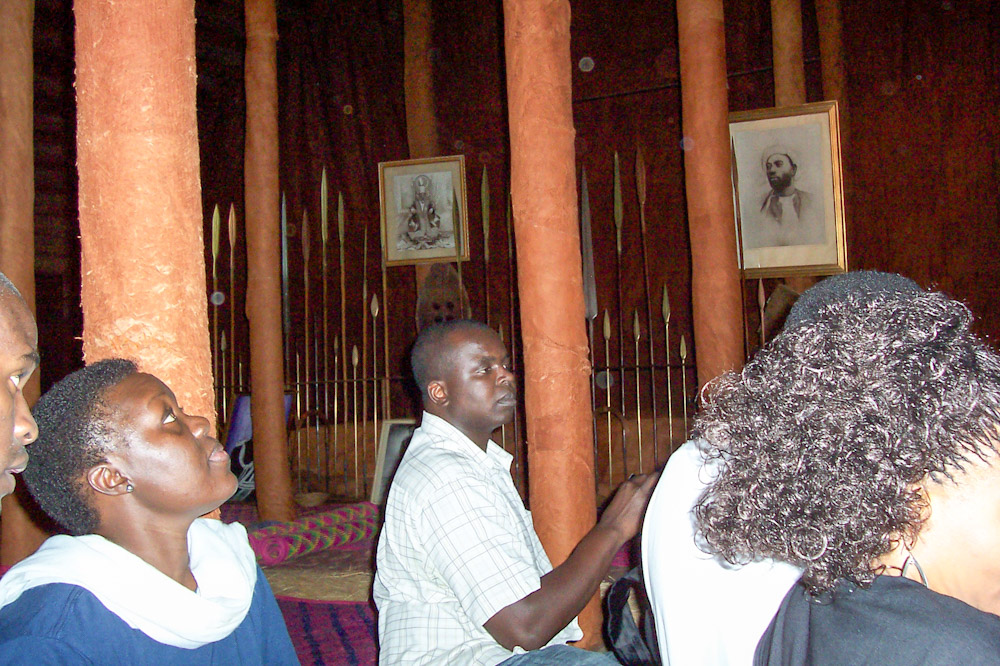
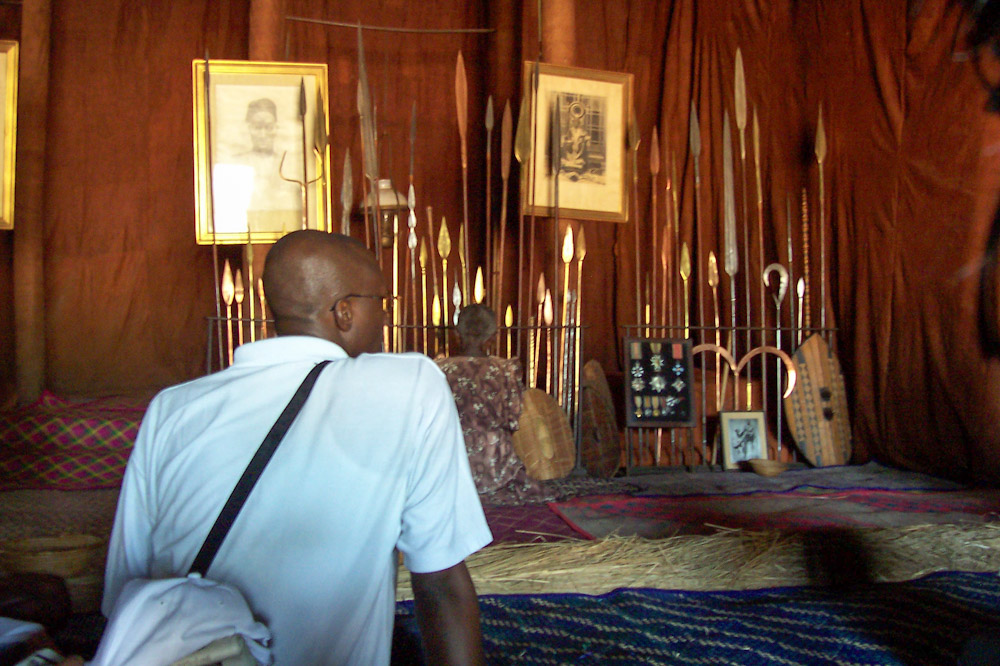
A stuffed leopard, spears and portraits were among the items on display.
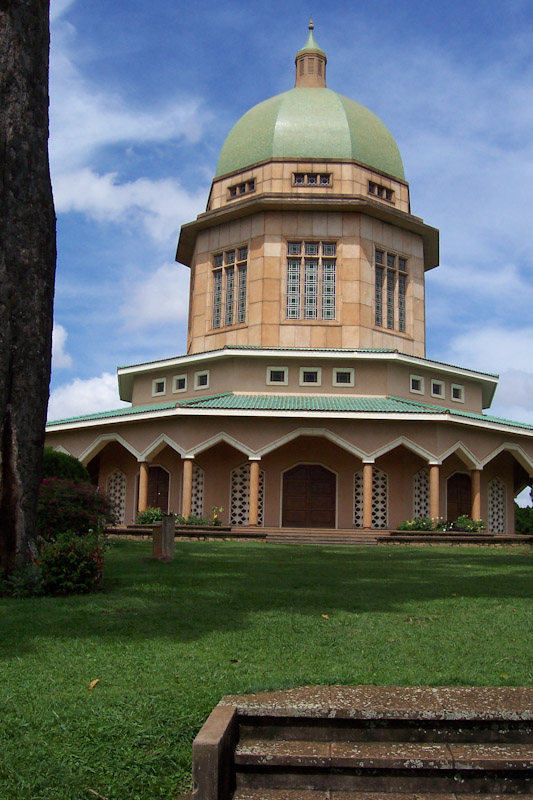
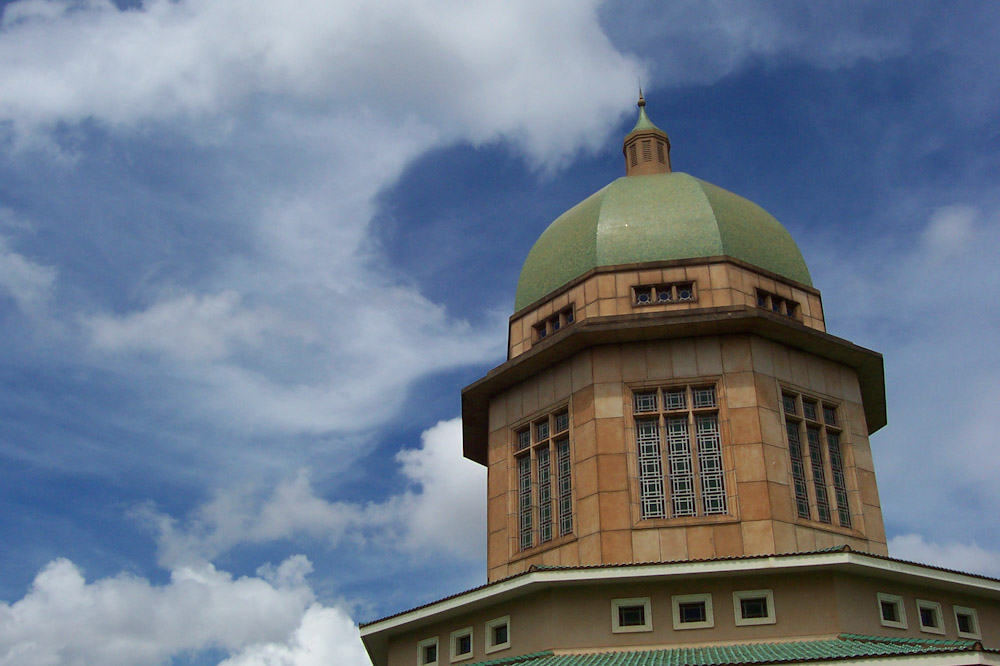
Our second stop was at the Baháʼí House of Worship in Kampala, Uganda, also known as the Mother Temple of Africa, which sits on Kikaya Hill overlooking Kampala.
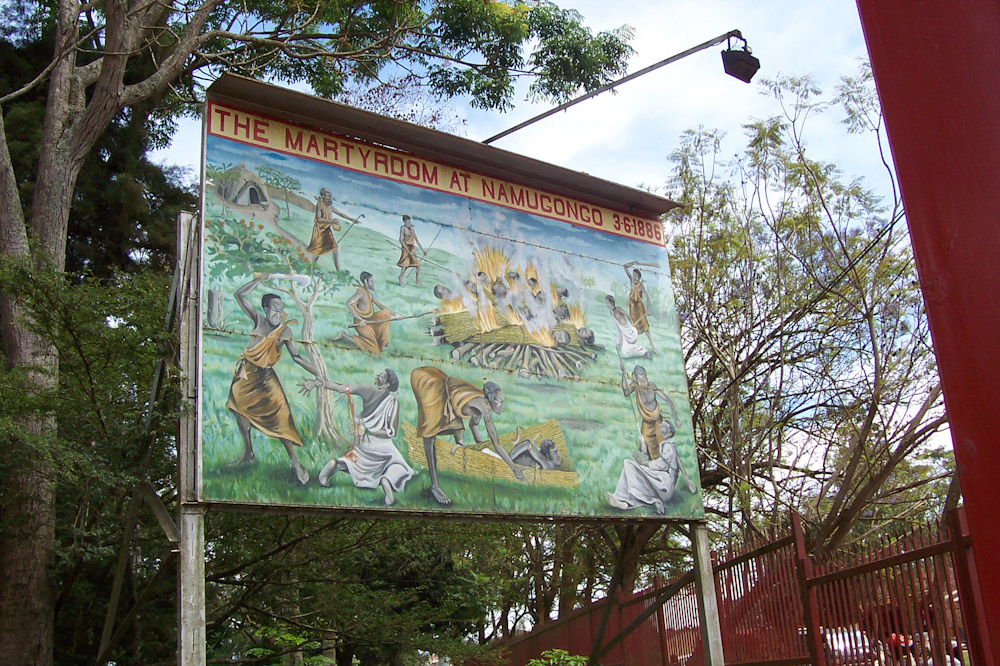
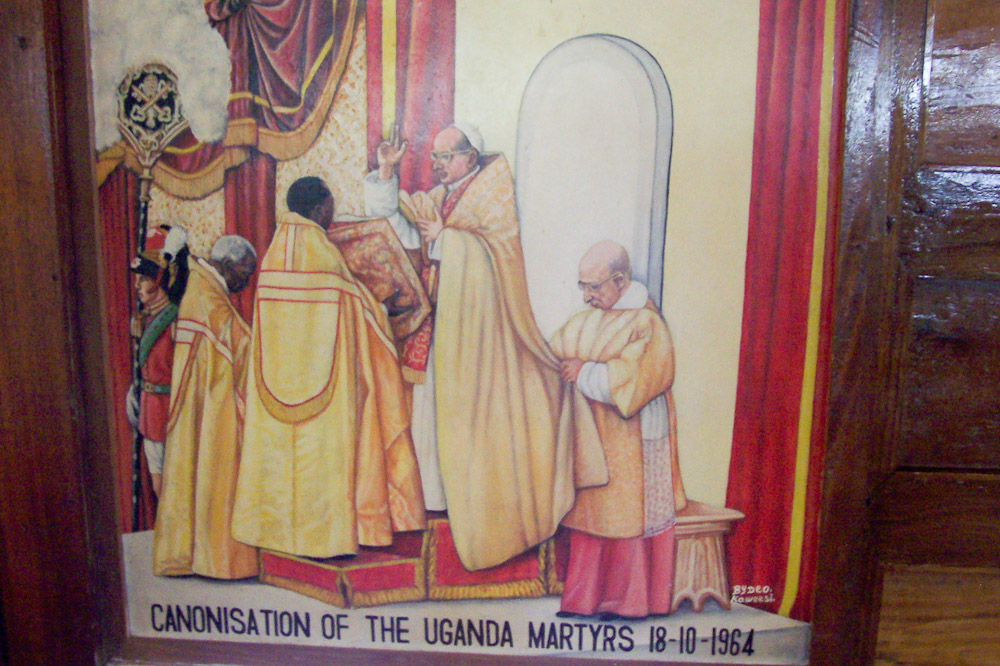
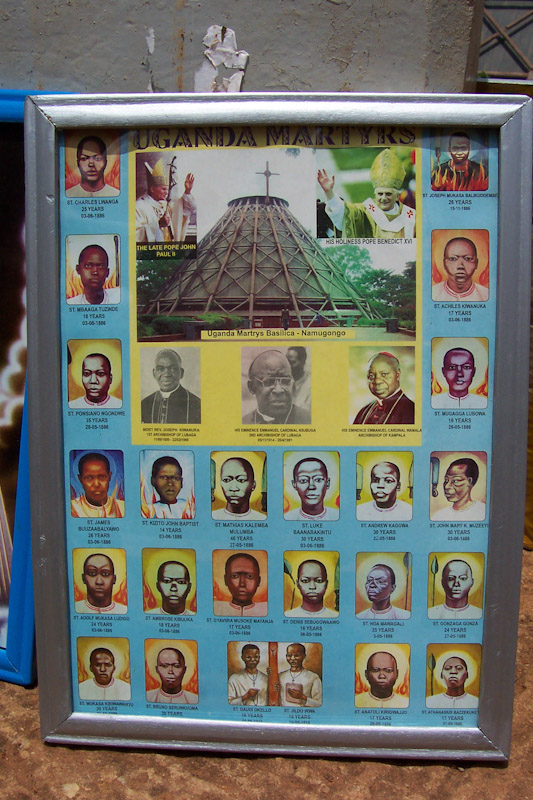
Our last stop in Kampala was the Namugongo Shrine. This is where 22 Catholic converts and other Anglican Christians were burned to death between 1885 and 1887 on the orders of Kabaka Mwanga II of Buganda for refusing to renounce their faith.
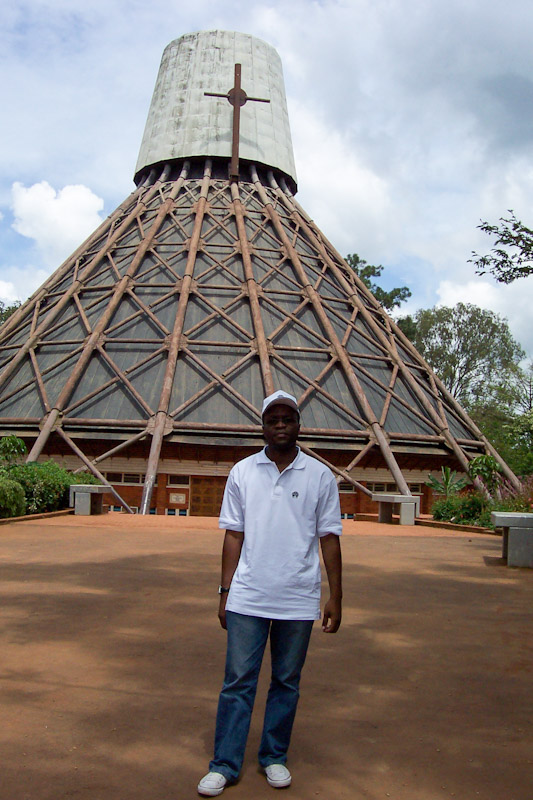
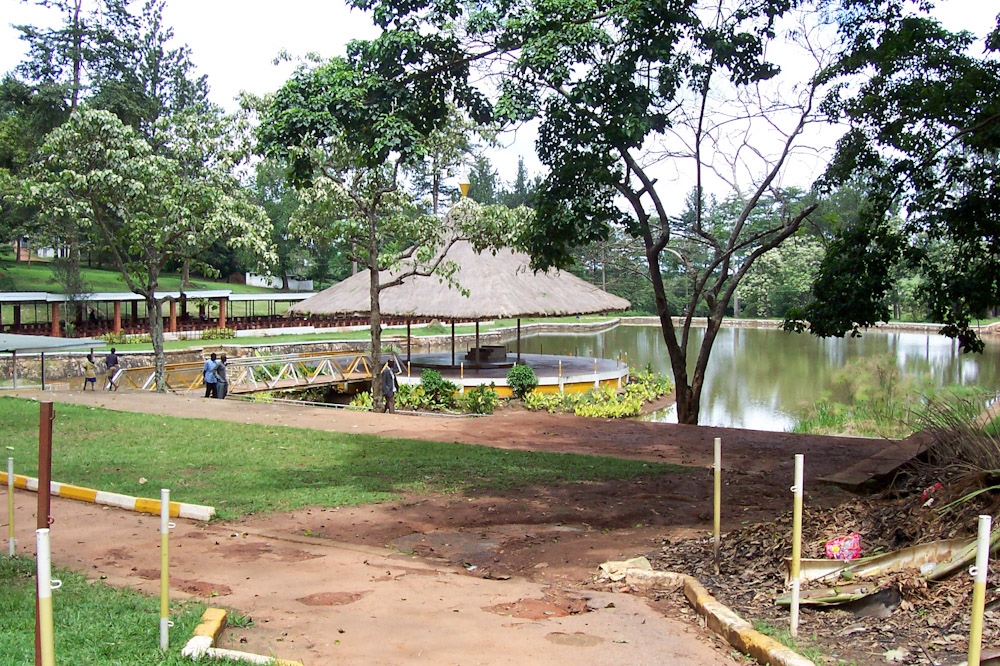
The Martyrs’ Lake or the “Pool of Blessings” is a central spiritual feature of the Namugongo Shrine. The shrine is the site of an annual June 3rd pilgrimage drawing hundreds of thousands of pilgrims from around Africa.
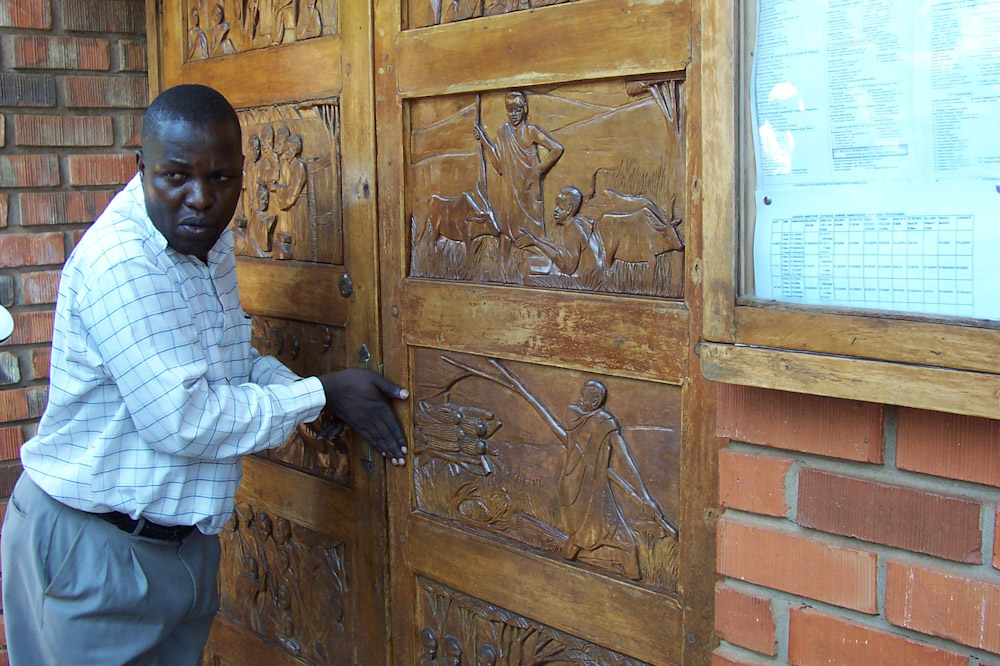
The Shrine’s Catechist explains the carvings of the door, which illustrate the martyrdom of the 22.
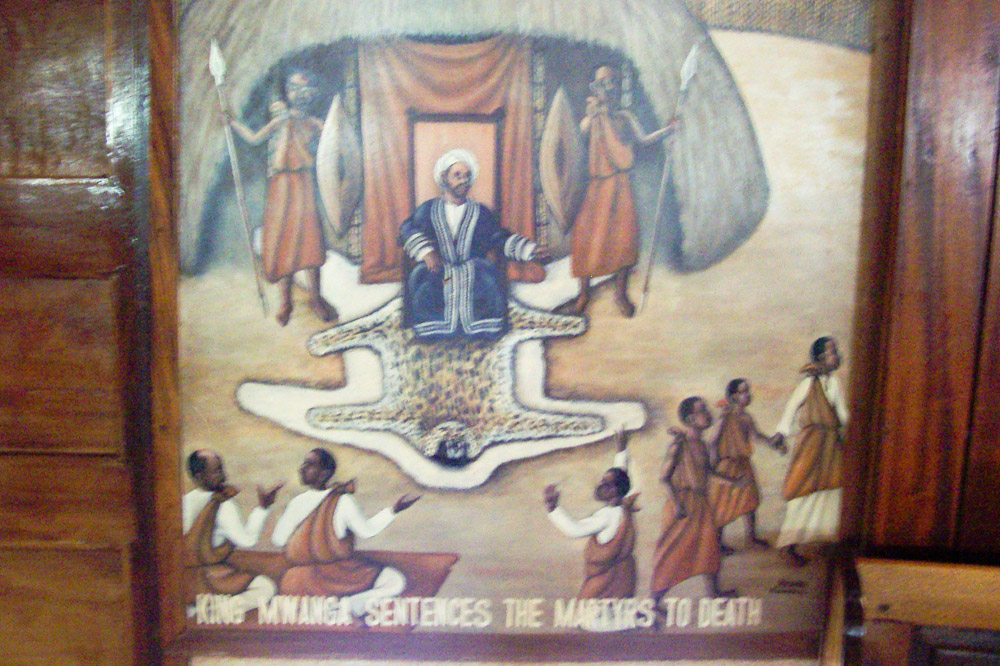
Murals of the trial of the 22 and their canonisation in the Shrine
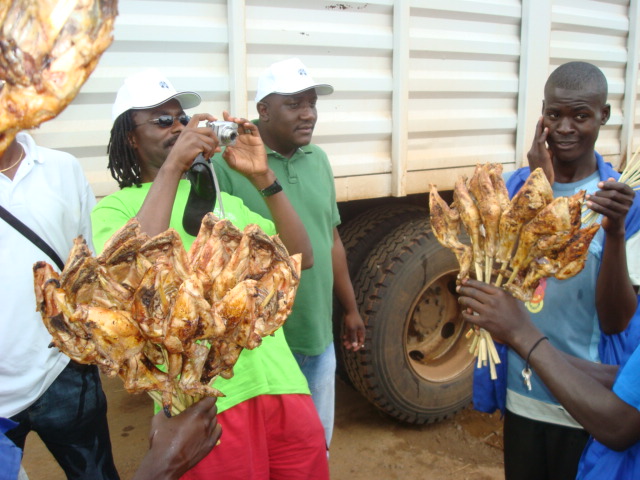
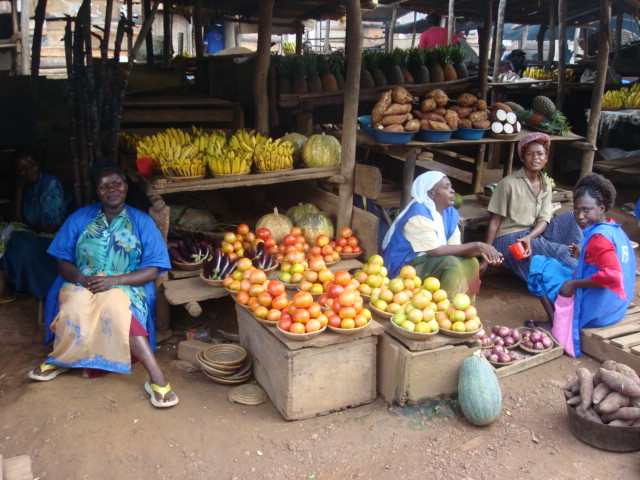
After Kampala, we headed out to Jinja, passing through the Mabira Forest, one of Uganda’s last major rainforest reserves. We made some stops along the way to buy fresh fruits and grilled chicken from roadside vendors.
After our 97 km journey to Jinja, we headed to the source of the Nile River. The spot was identified by John Speke as the Nile’s source in 1862.
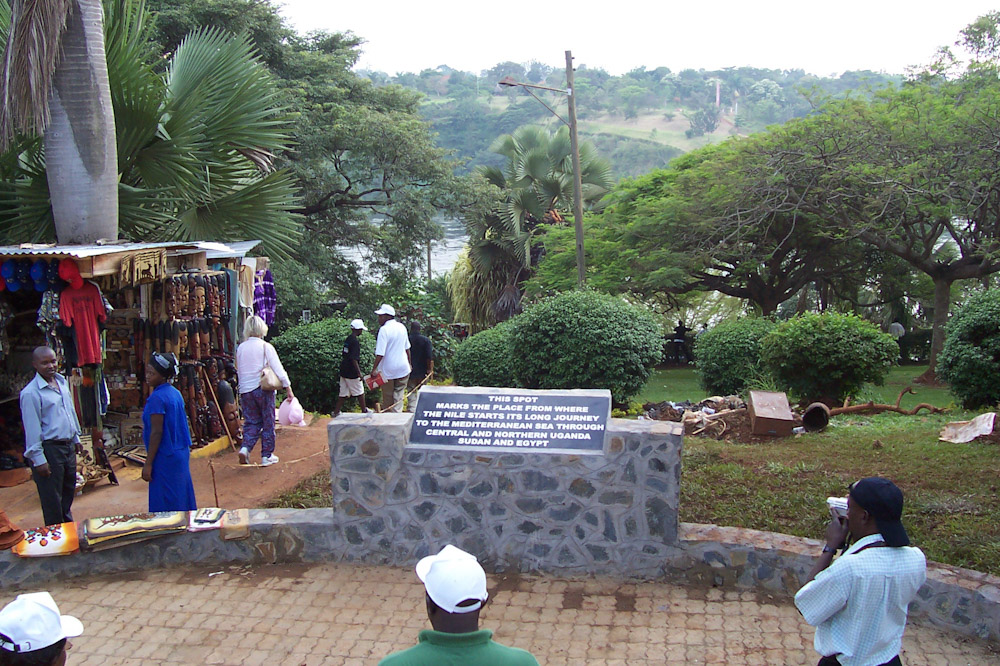
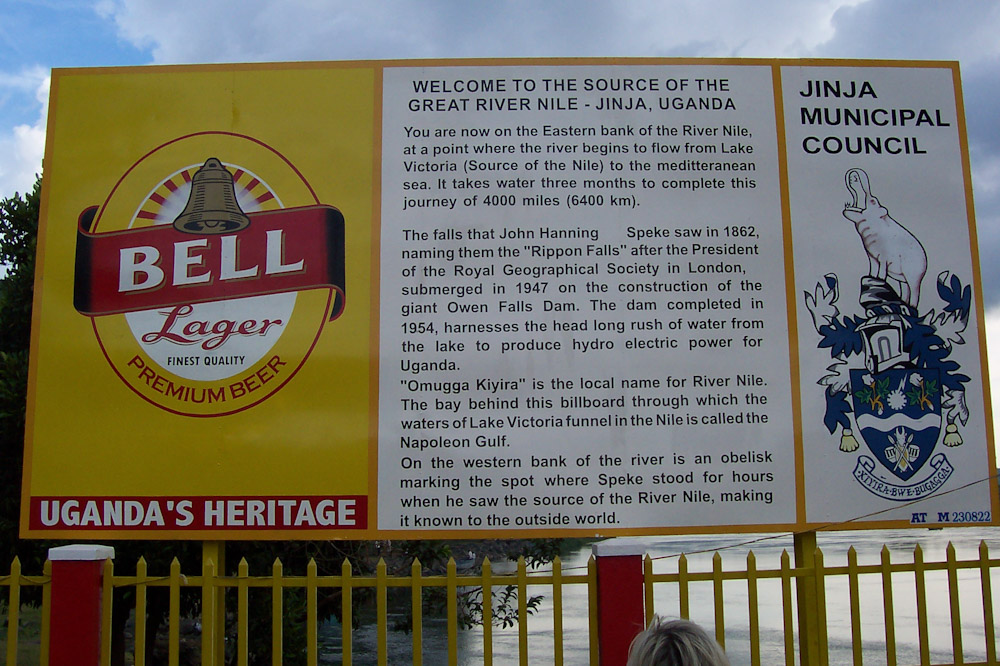
We then went to the other side of Jinja where the Nile River, called the Victoria Nile, forms falls.
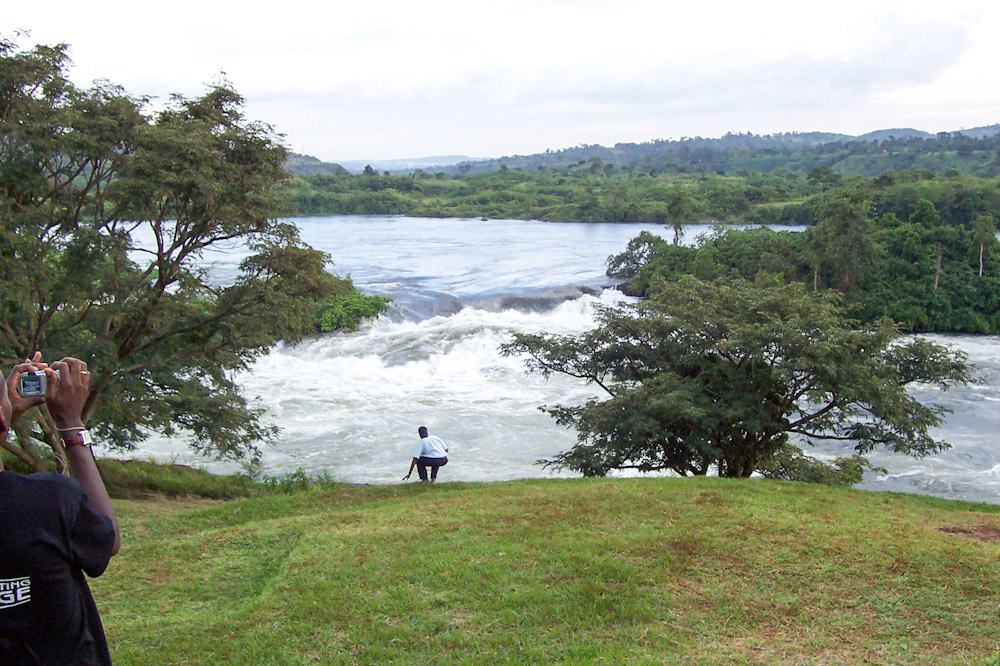
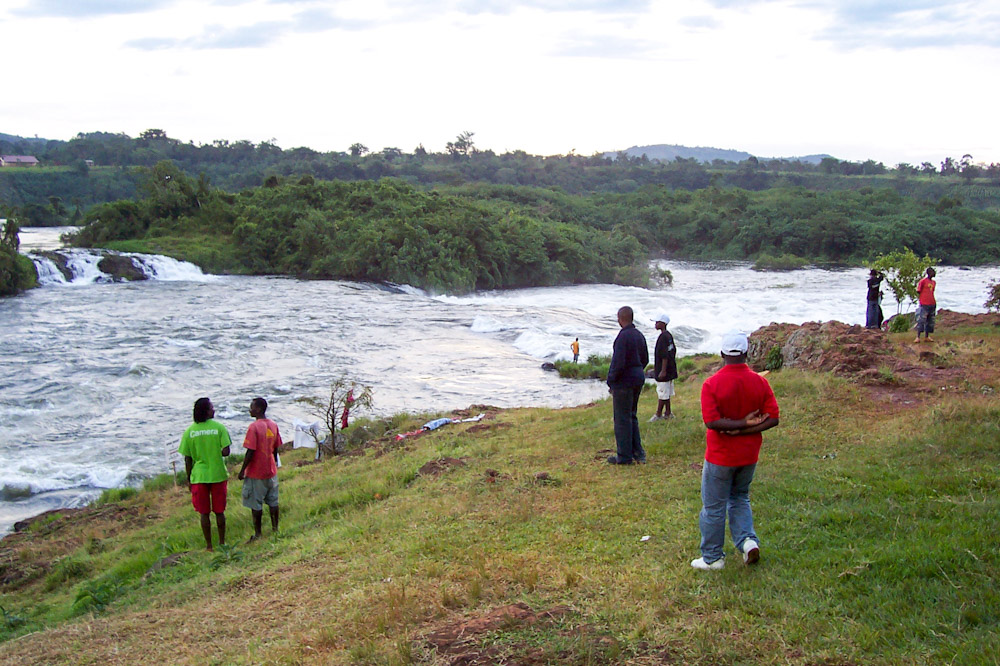
The force of the water was a sight to behold. Despite the force and speed of the river, some young men dived into the water and emerged many metres downstream, rushed back to us and asked for some money for the stunt.
This stretch has made Jinja East Africa’s whitewater rafting hub.
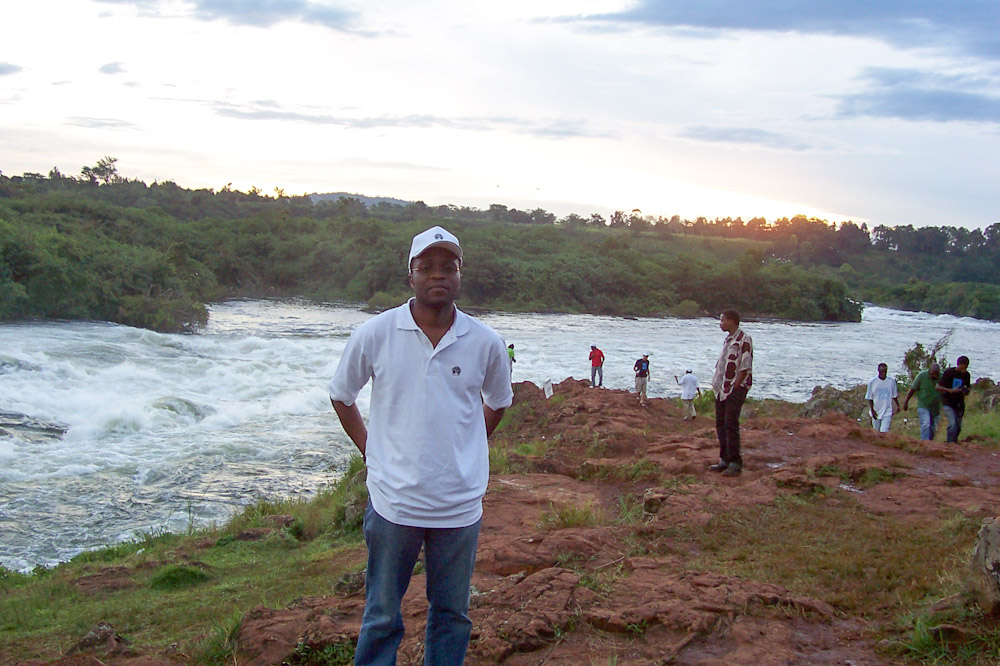
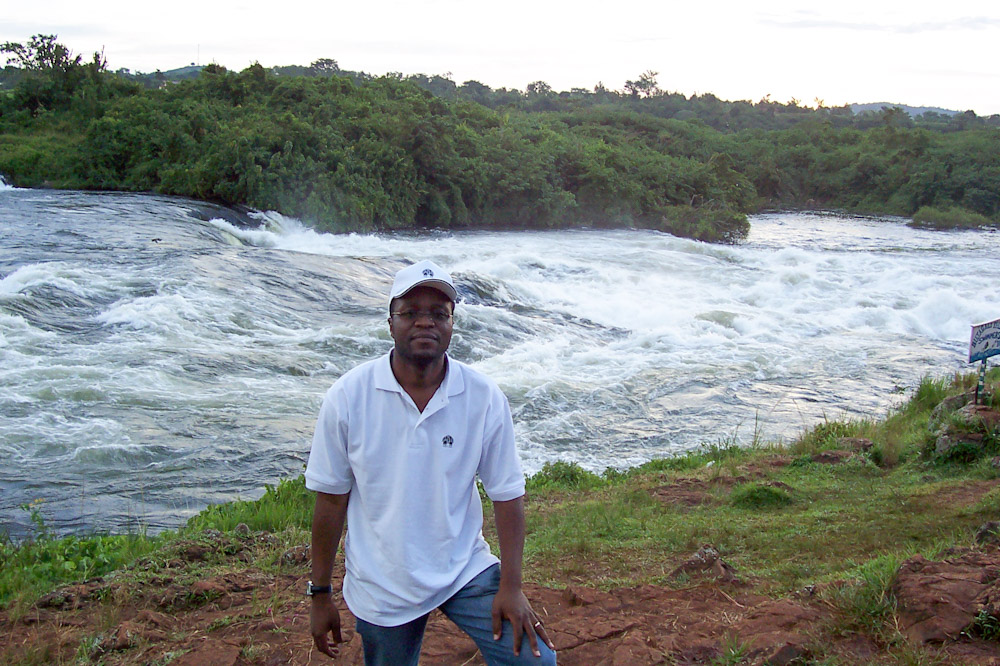
Uganda is wonderfully green and teeming with energy. While watching the local daredevils jump into the rushing Nile was thrill enough for this trip, maybe next time I’ll finally build up the nerve to brave the rapids myself.