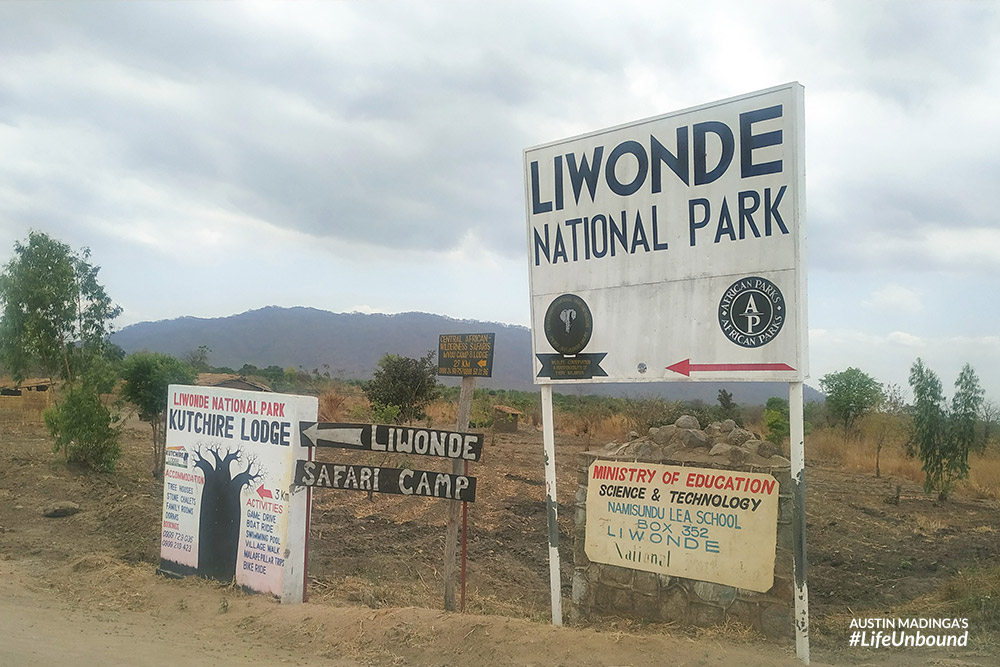
My son and I found ourselves in Liwonde with an hour or two with nothing to do. A decision was made to go to Liwonde National Park, a few kilometres away from the trading centre.
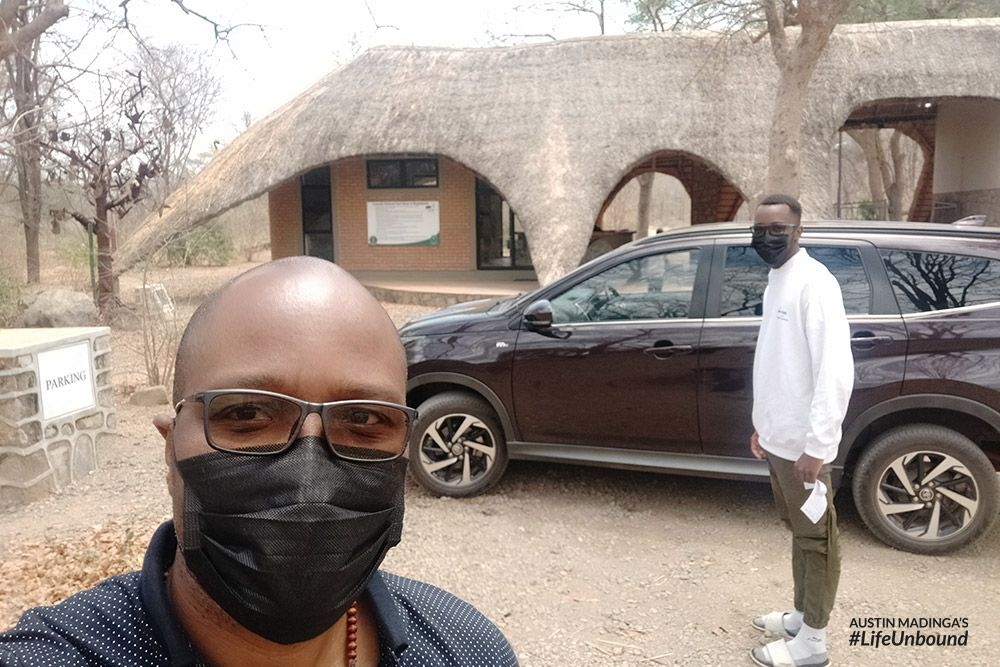
This diversion to Liwonde National Park was really an afterthought and not a very good one 😄 We didn’t have a lot of time and therefore didn’t get to see what we wanted to see.
I think the lions were sheltering from the scorching afternoon sun somewhere, and the elephants could be seen from afar in the Shire River. Our guide said he had only seen the rhinos three times in the past year.
Established in 1973, Liwonde National Park covers 548 km² along the Shire River and part of Lake Malombe. It is home to Malawi’s largest populations of elephant, black rhino, cheetah and waterbuck, as well as lions, wild dogs and hyenas. Its river, grassland and woodland habitats also support crocodiles, leopards and a variety of antelope. Birdlife is rich, with rare species such as Pel’s fishing owl and Lilian’s lovebird.
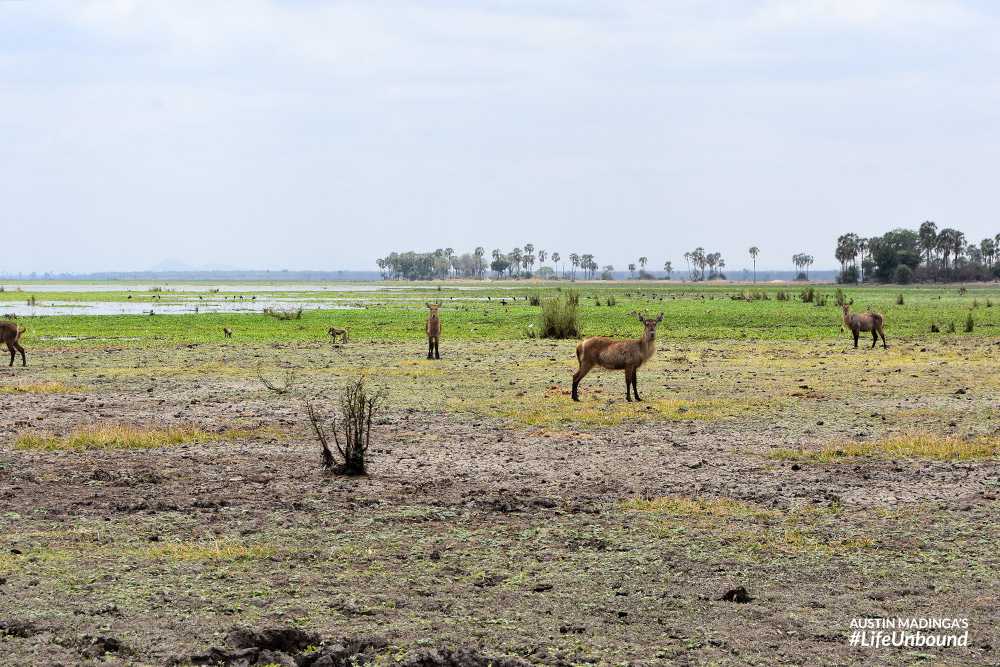
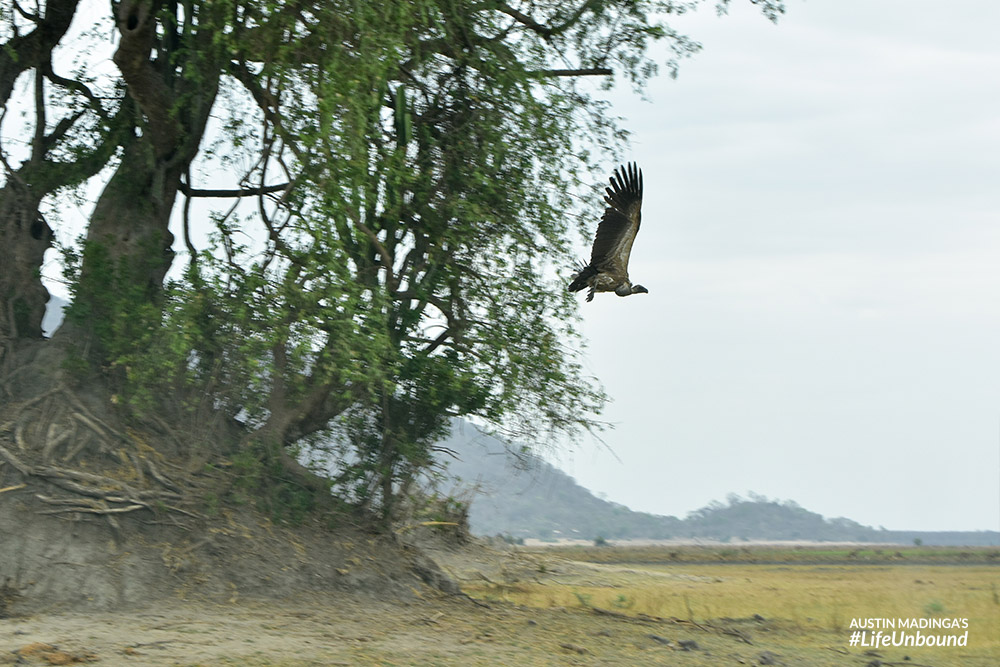
A vulture flies down to a waterbuck carcass. The reintroduction of cheetahs and lions has been credited for the return of vultures to the skies above Liwonde National Park, looking to feast on the carcasses the cats leave behind. This is according to a report in Mongabay quoting African Parks and the Endangered Wildlife Trust (EWT), two conservation groups working in partnership with Malawi’s Department of National Parks and Wildlife (DNPW) in the park.
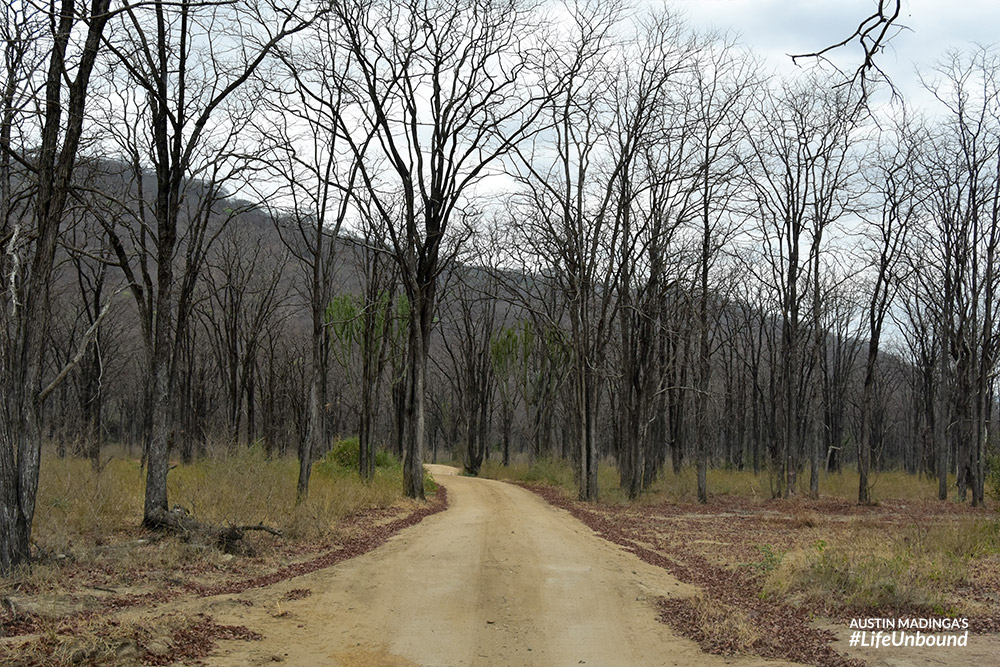
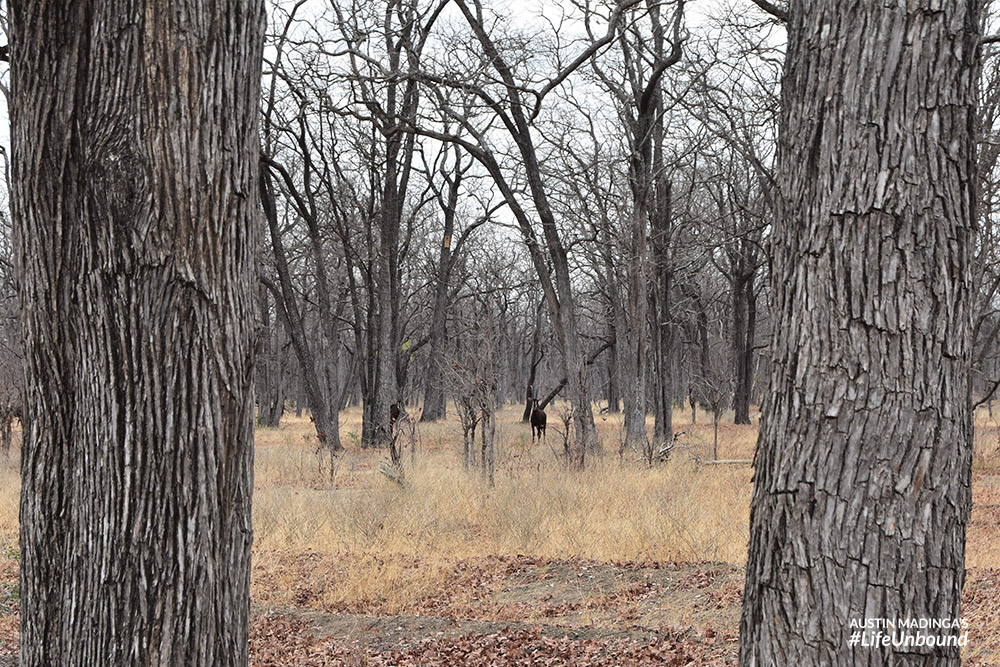
Two sable antelopes in the distance
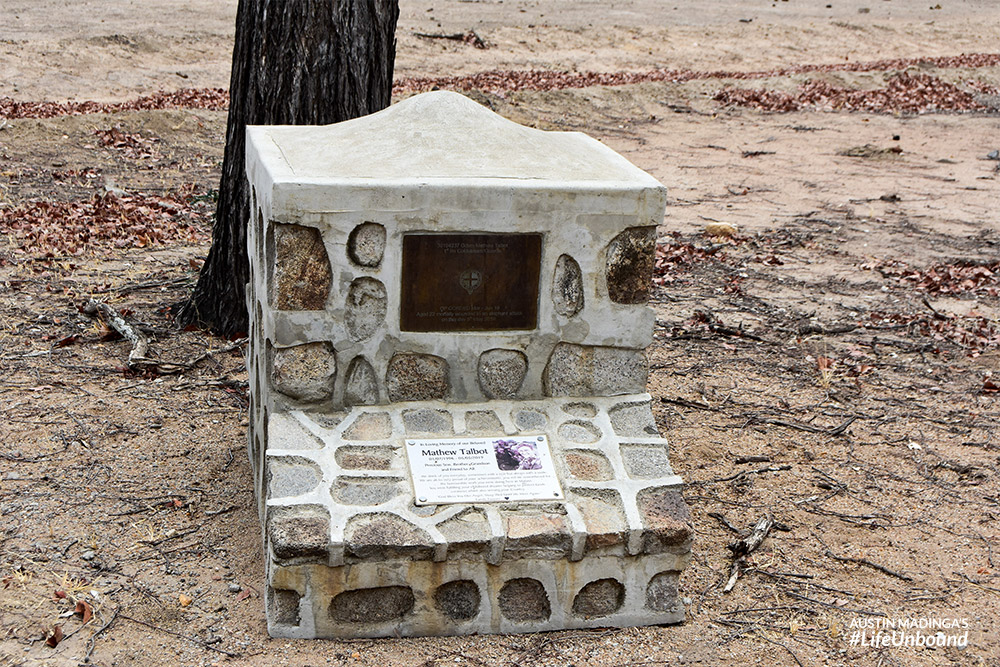
A memorial to a British soldier killed by an elephant while on a mixed Malawian and British patrol group. Coldstream Guardsman Mathew Talbot, 22, suffered fatal injuries on an anti-poaching patrol in Liwonde National Park, Malawi, in May 2019.
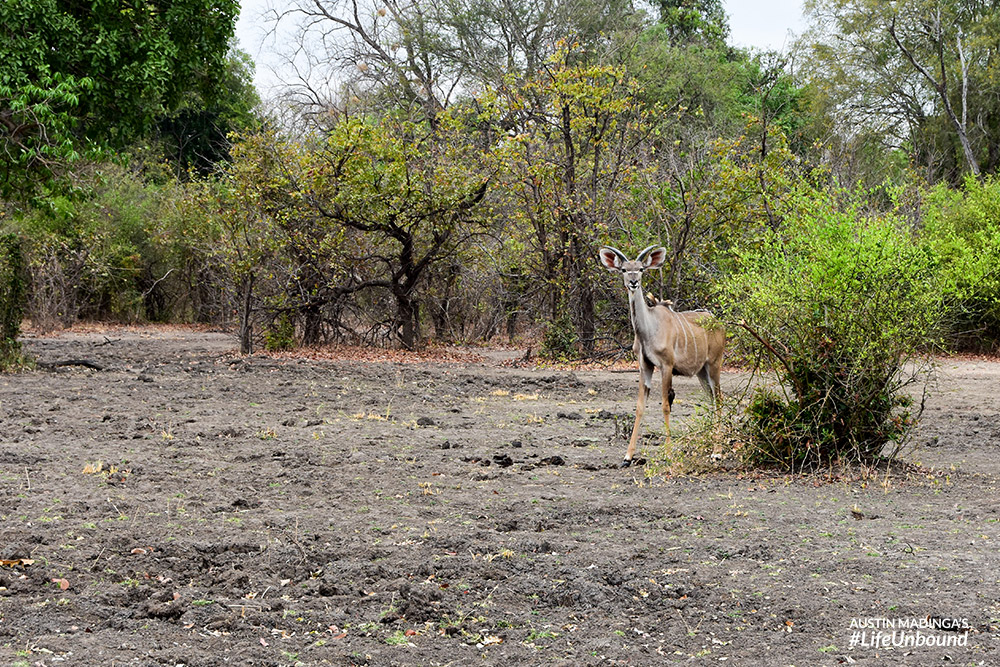
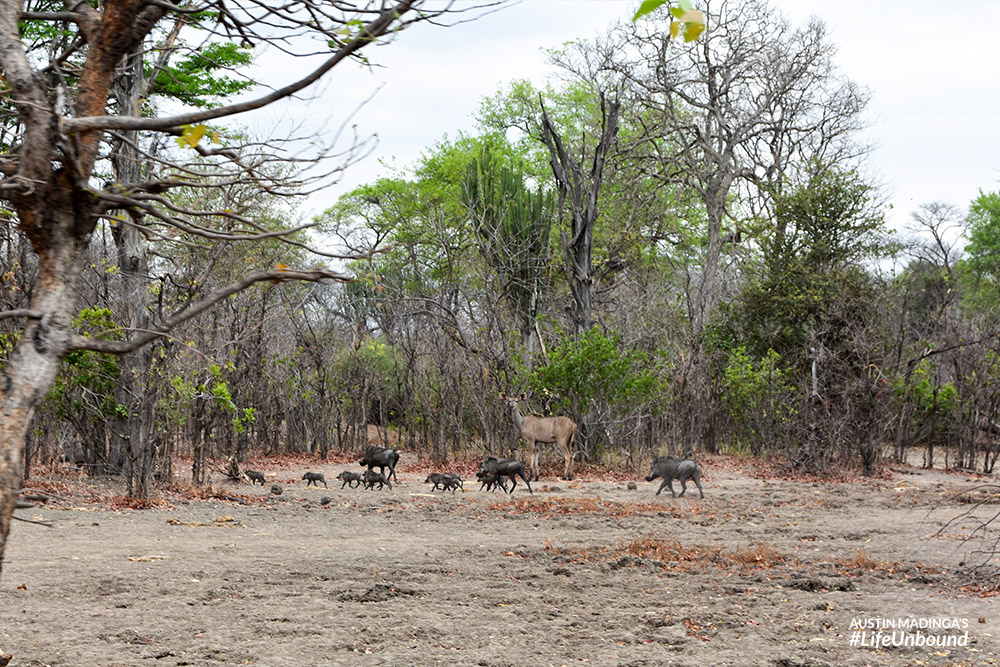
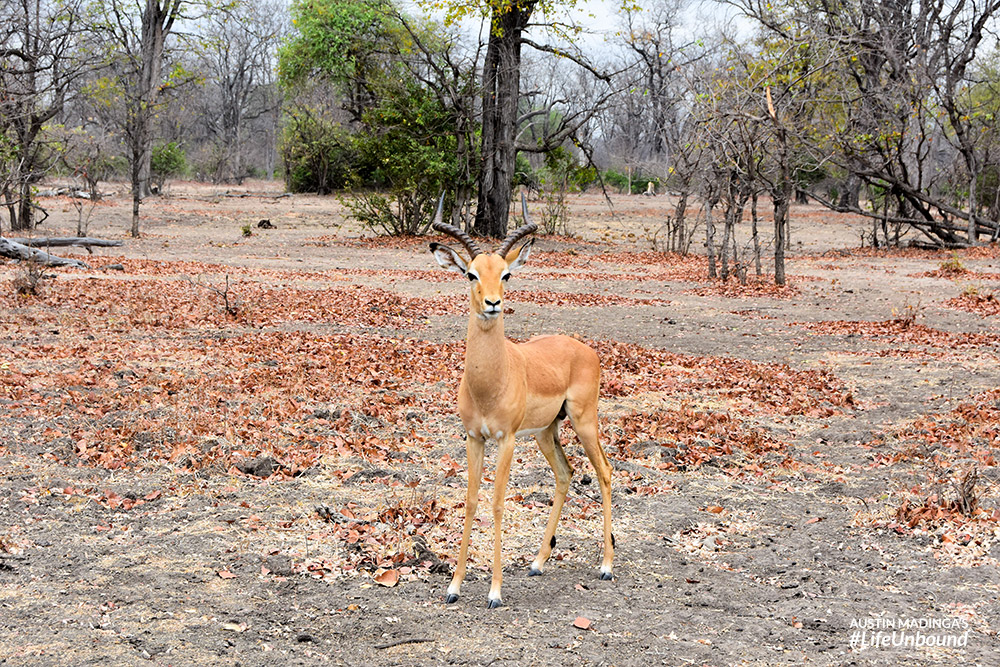
Kudu and impala antelopes
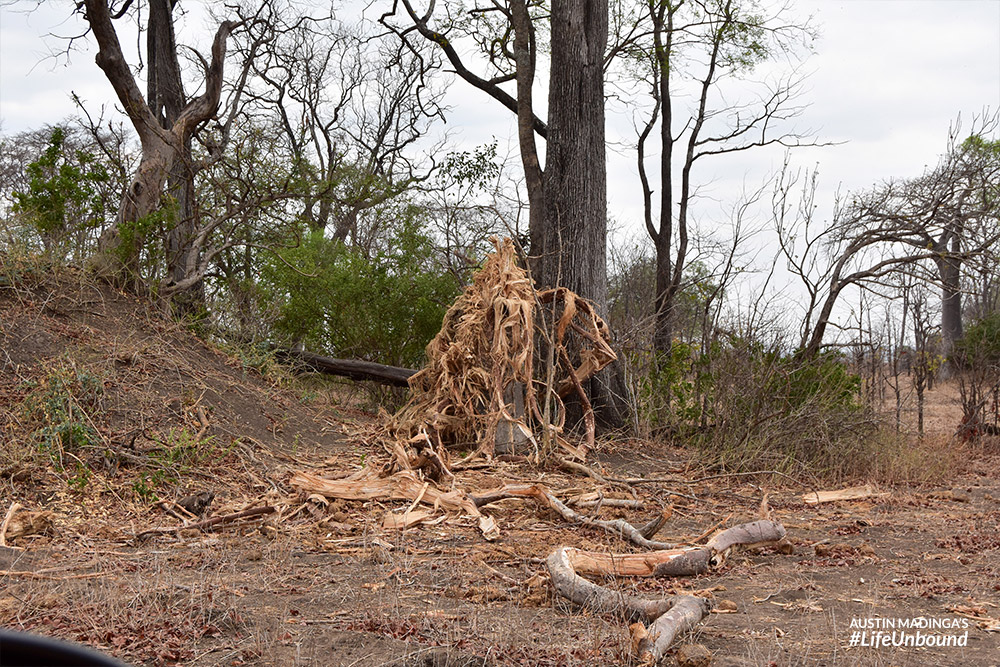
A tree damaged by elephants. This is a common sight in the park
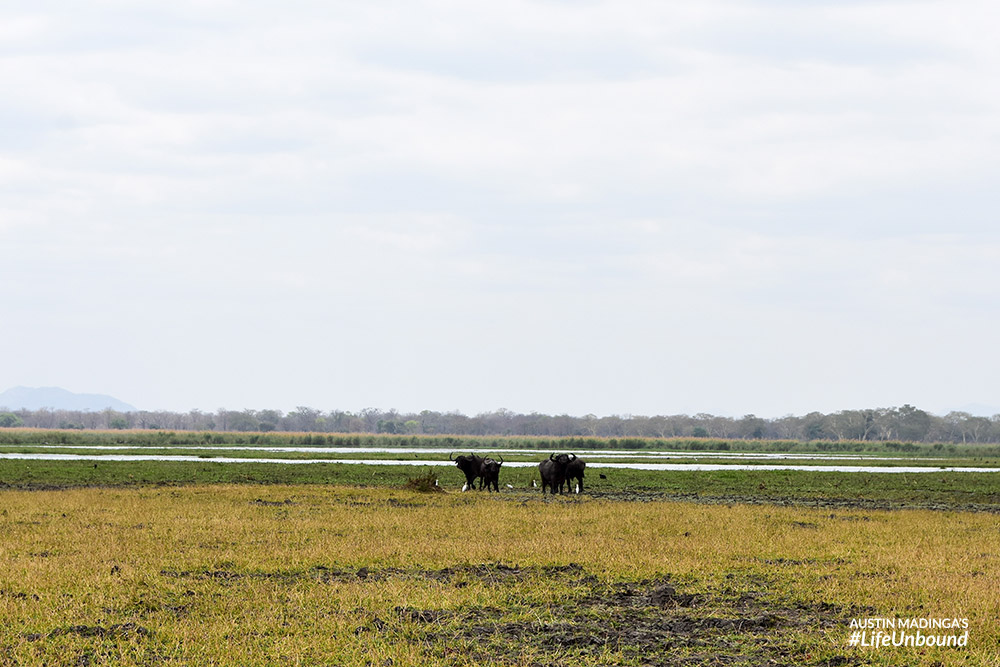
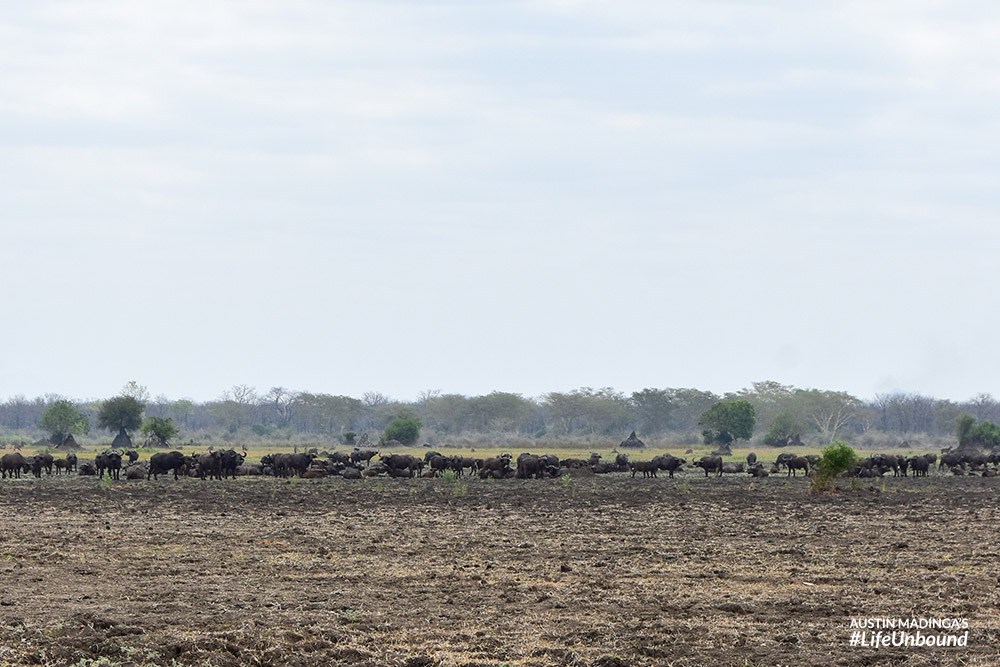
The buffalo could be seen from a distance.
A good boy’s day out!